Aluminum Dosing
2021
Summary
To produce a comprehensive chemical profile of the lake and to assist in an investigation into aluminum salts as a method to bind phosphorus, we included elemental aluminum (Al) as an analyte in our regular sample testing regime. We estimated total Al by evaluating the Al concentration in microwave-digested samples and estimated dissolved Al by evaluating Al concentrations in filtered samples. Elemental Al concentrations in these processed samples were obtained using Inductively Coupled Plasma Optical Emission Spectroscopy (ICP-OES) at BYU’s Environmental Analytical Laboratory (EAL). Dissolved Al concentrations were at expected levels, but total Al was routinely above 1000 µg/L. The state of Utah’s regulation for Al is 750 µg/L, but there is some ambiguity as to whether this regulation refers to dissolved aluminum or “total recoverable” aluminum. If the latter, it is necessary to specify what methods should be used to obtain total recoverable aluminum. More research is necessary to determine the partitioning of Al in the lake and determine a useful, clear standard for aluminum.
Methods
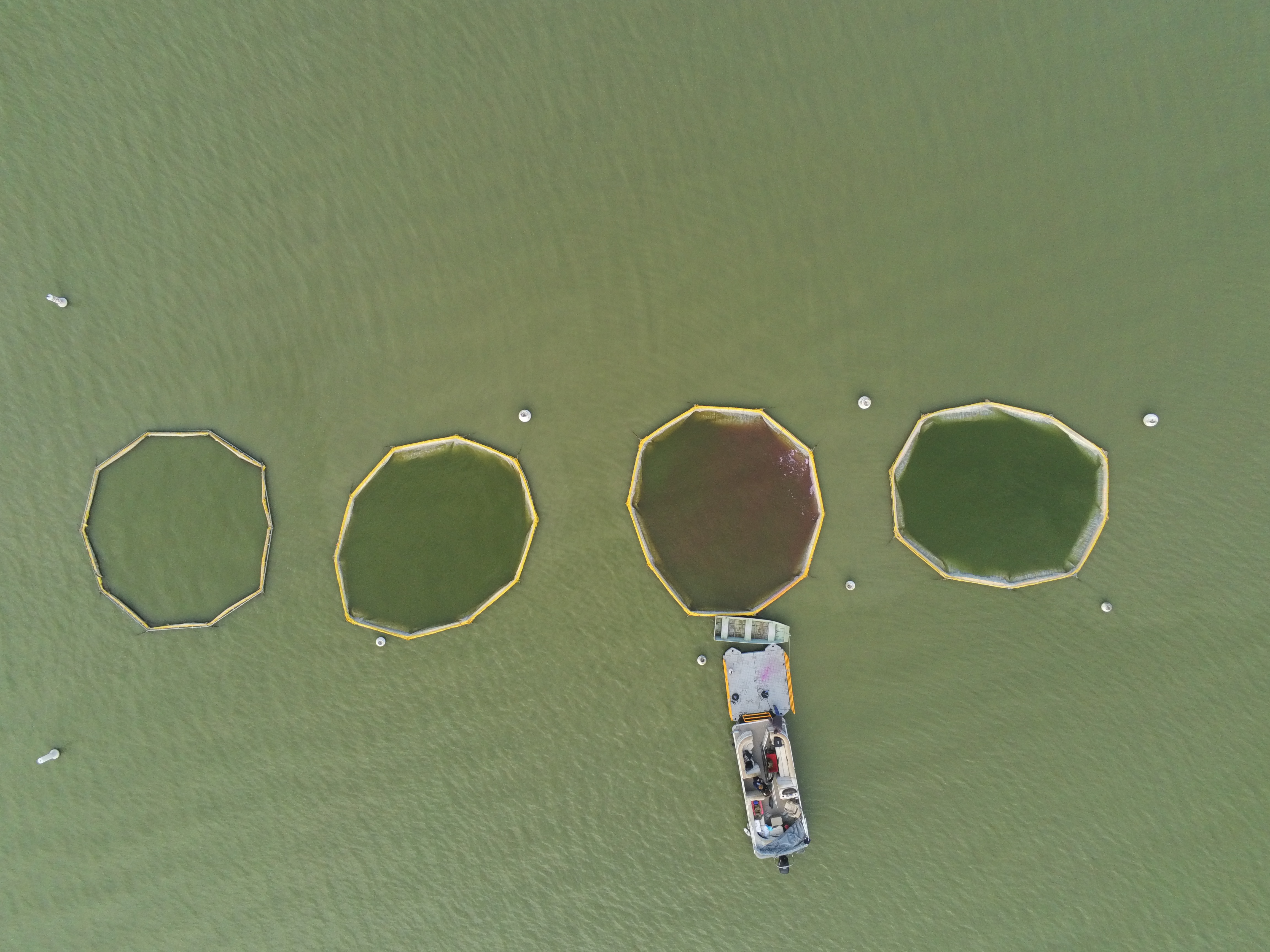
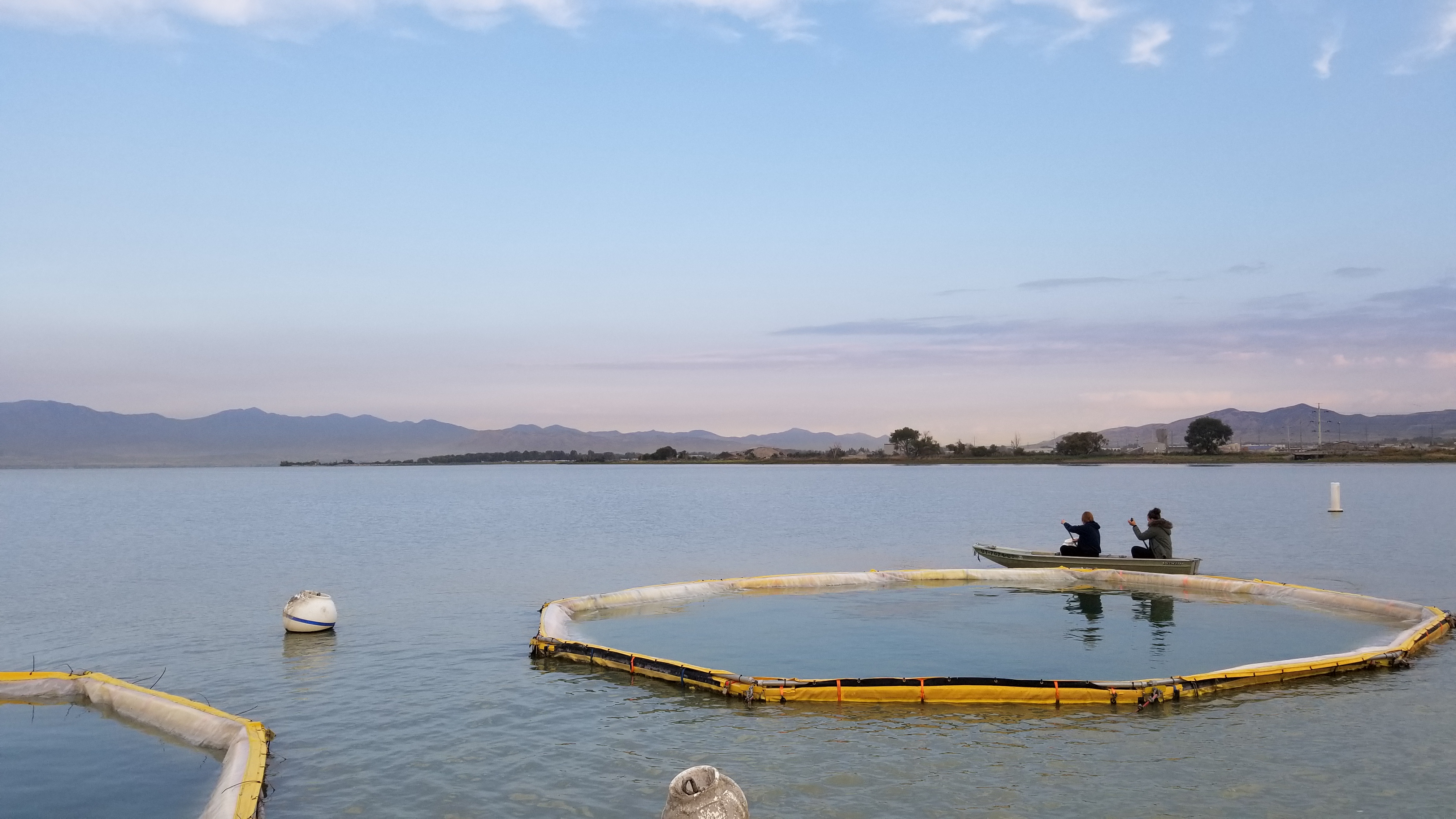
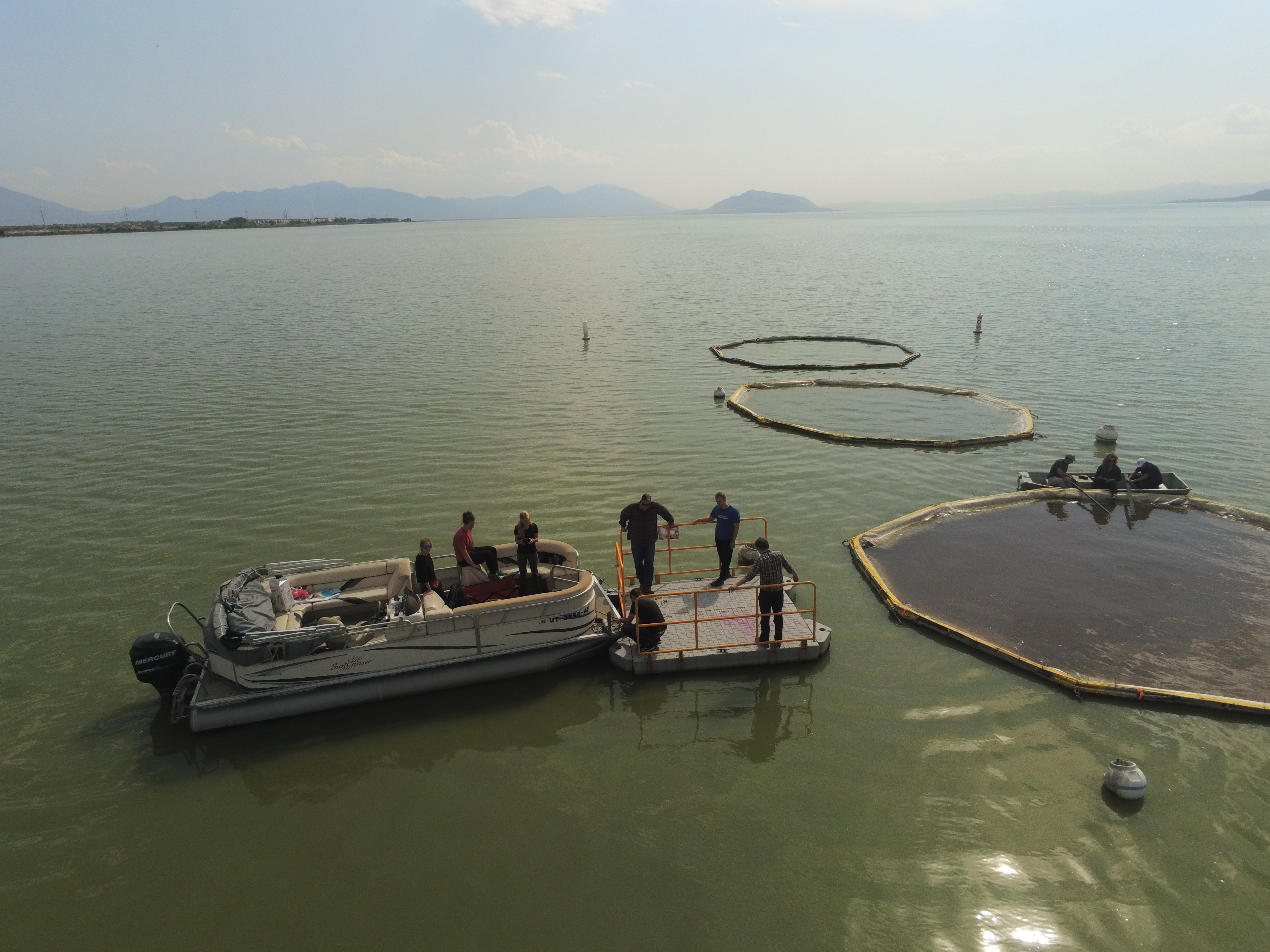
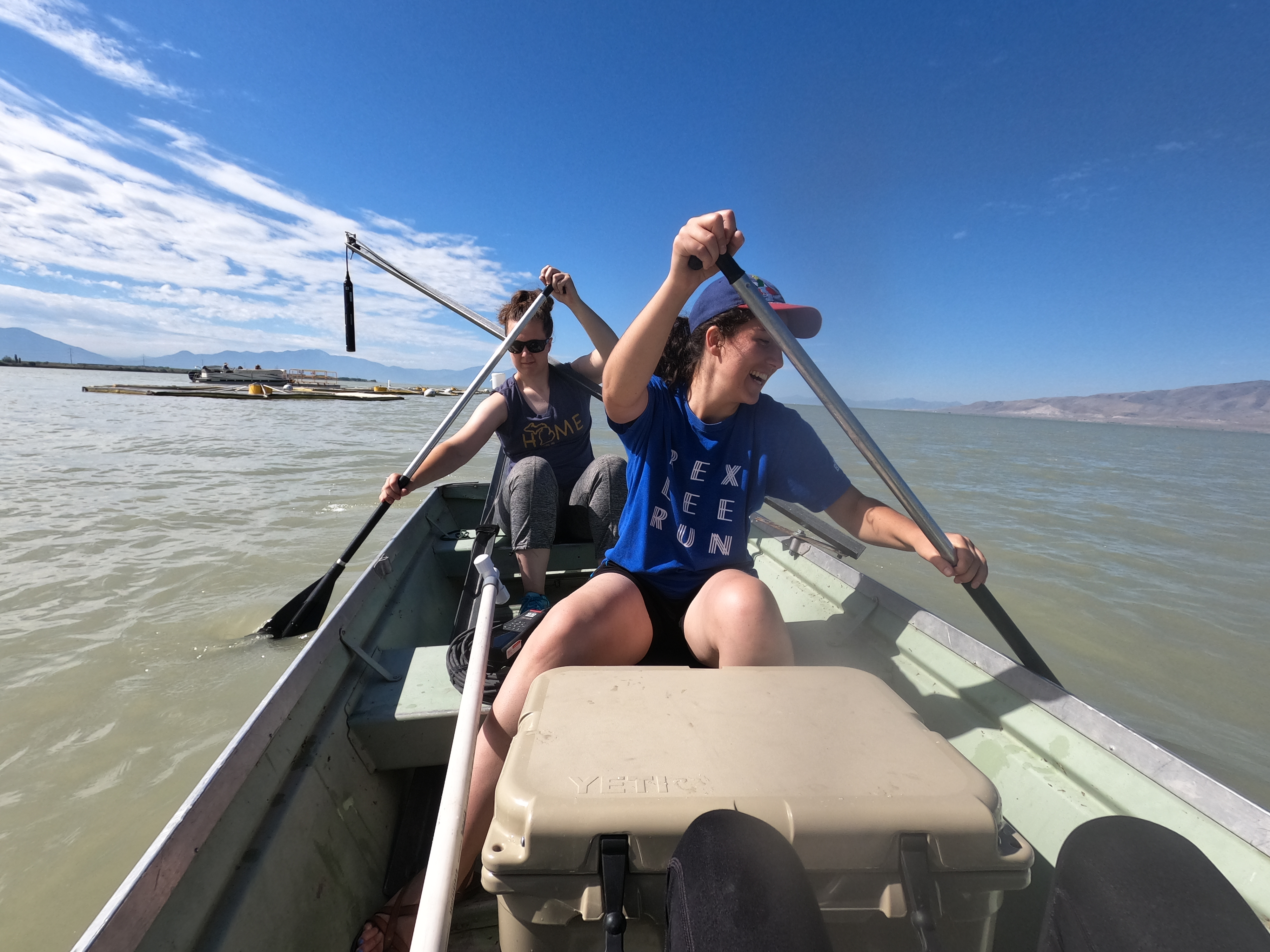
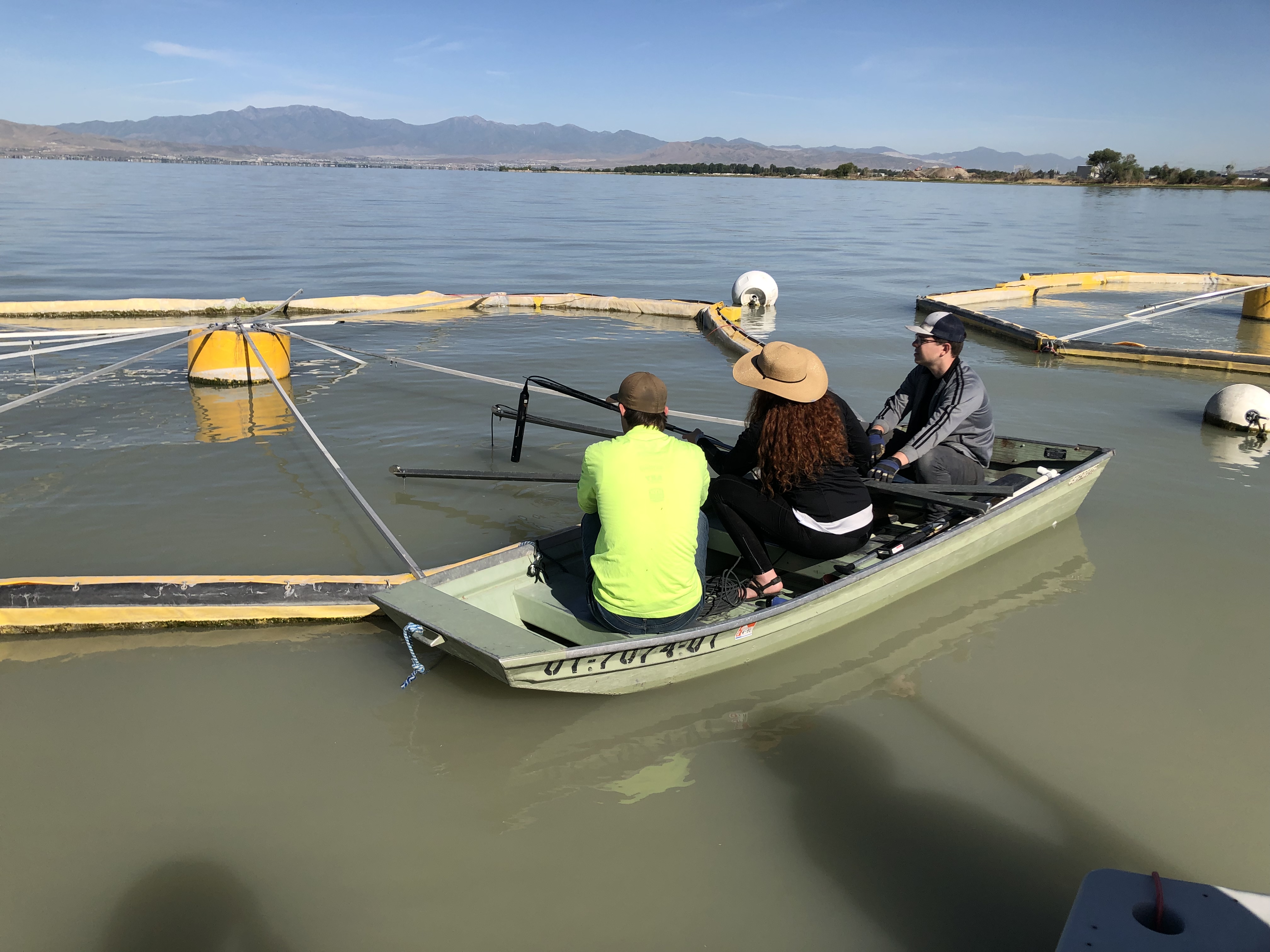
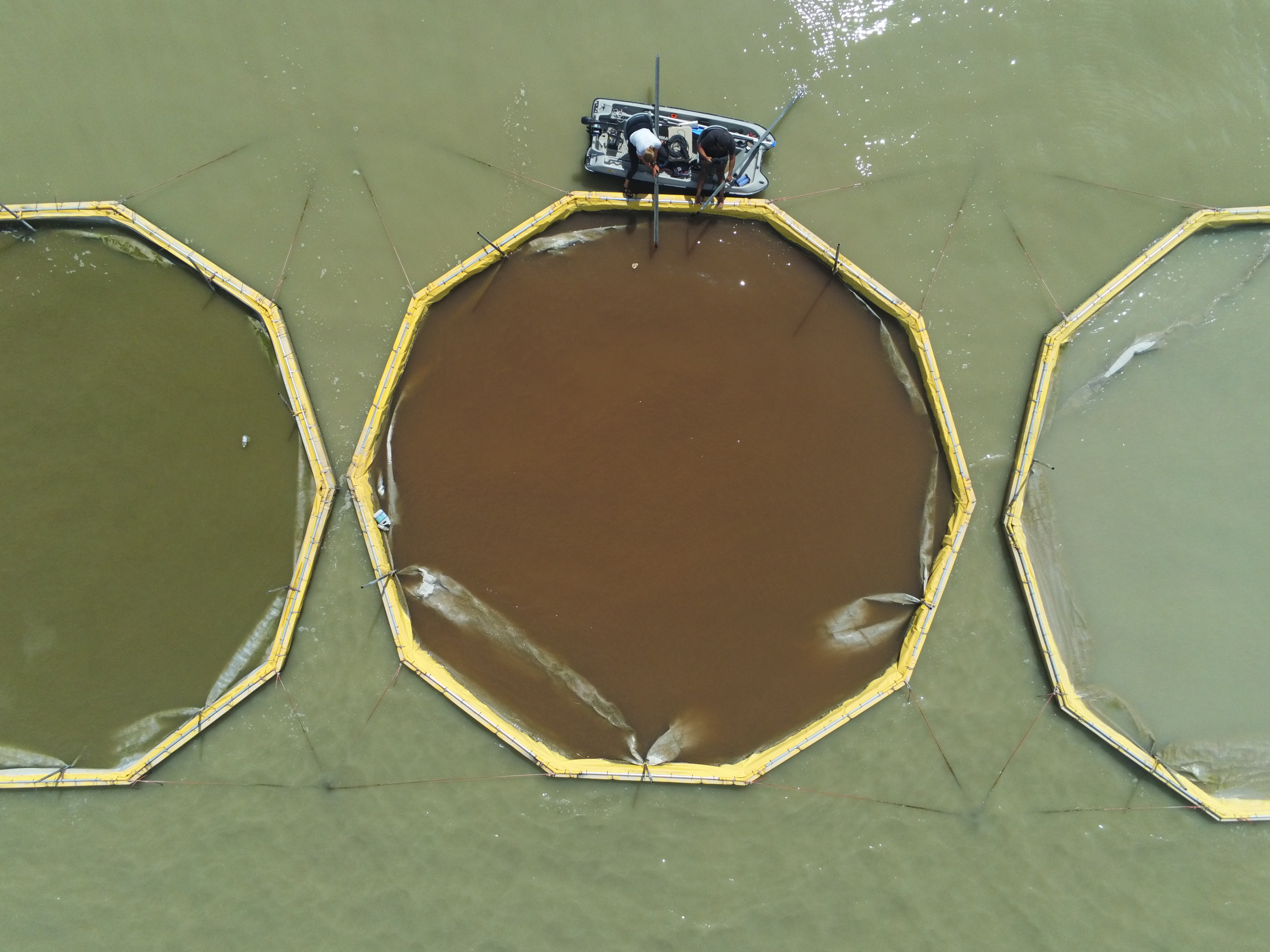
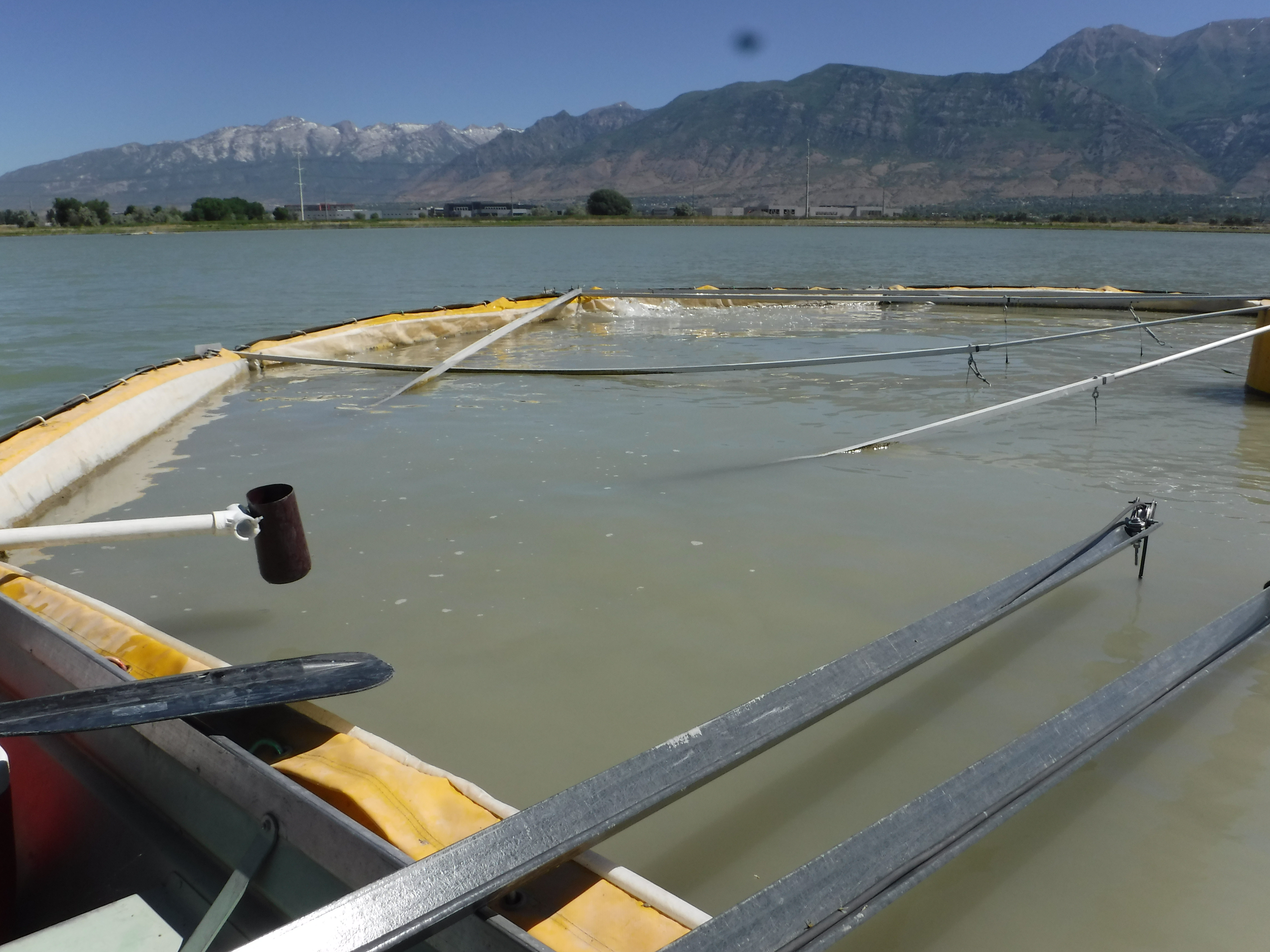
The water samples used in this analysis were taken outside of the treated and isolated "limnocorrals” used in the larger nutrient cycling study. The samples were taken at least weekly during the summer of 2021, each in a new polyethylene bottle and tested or frozen within 24 hours.
Total aluminum concentrations were estimated by performing a microwave digestion using the EAL’s modified EPA 3051 method. Dissolved aluminum concentrations were estimated by filtering the sample through a 0.45 µm filter. Concentrations were obtained using ICP-OES at the EAL.
(In order to produce a good method, we needed to determine what particle sizes the Al is associated with. Attempting to investigate this, we ran a single trial of a sequential filtering experiment in which samples were run through filters with decreasing pore size. The results of this initial experiment are included in the results section.)
Results
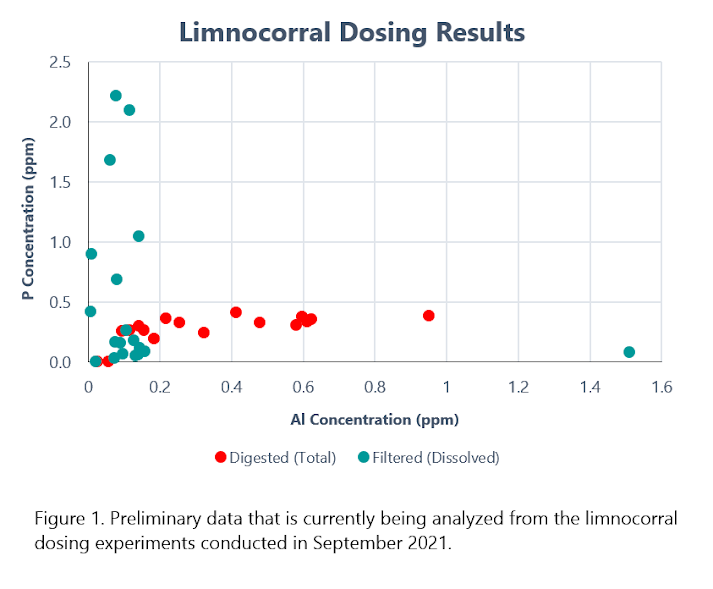
(Fig. 1) Preliminary data suggests that dissolved Al concentration is limited to .2 ppm, while dissolved Phosphorus (P) concentration can range from 0 to 2.3 ppm. In contrast, total P is limited to between 0 and .5 ppm, while total Al ranges from 0 to 1 ppm.
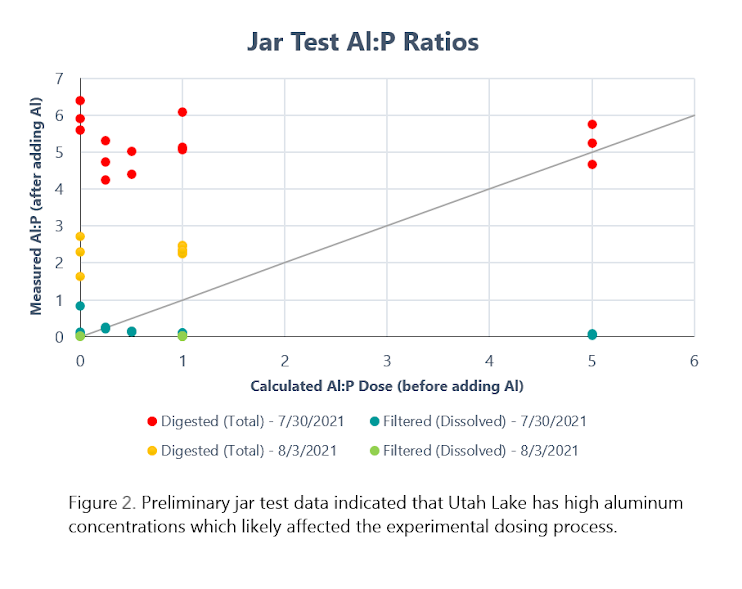
(Fig. 2) Preliminary jar test data indicates that over time, the lake was able to compensate for added Al, resulting in no discernable increase in Al concentration after later doses. This suggests that Utah Lake's high Al concentrations may have affected the experimental dosing process.
BYU Environmental Engineering Laboratory

Dept. of Civil and Environmental Engineering