Utah Lake Nutrient Cycling Studies
The objectives of the Utah Lake Nutrient Cycling studies are to:
- Better understand nutrient cycling in Utah Lake, and
- Evaluate the performance of treatments that have potential to offer holistic and long-term solutions to reduce the intensity, duration, and frequency of future harmful algal blooms (HABs) in Utah Lake (UL).
This website provides background information and showcases study results.
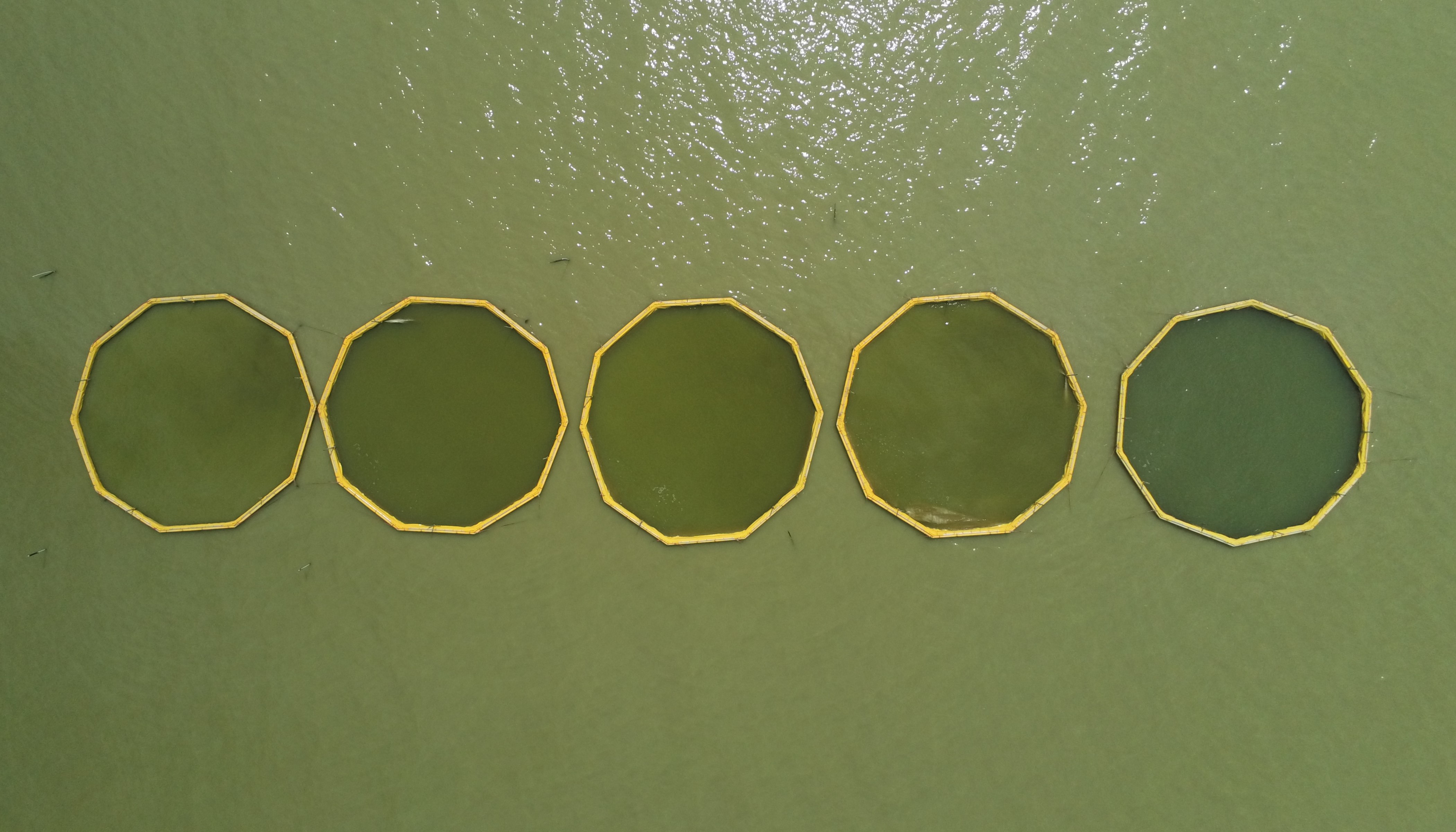
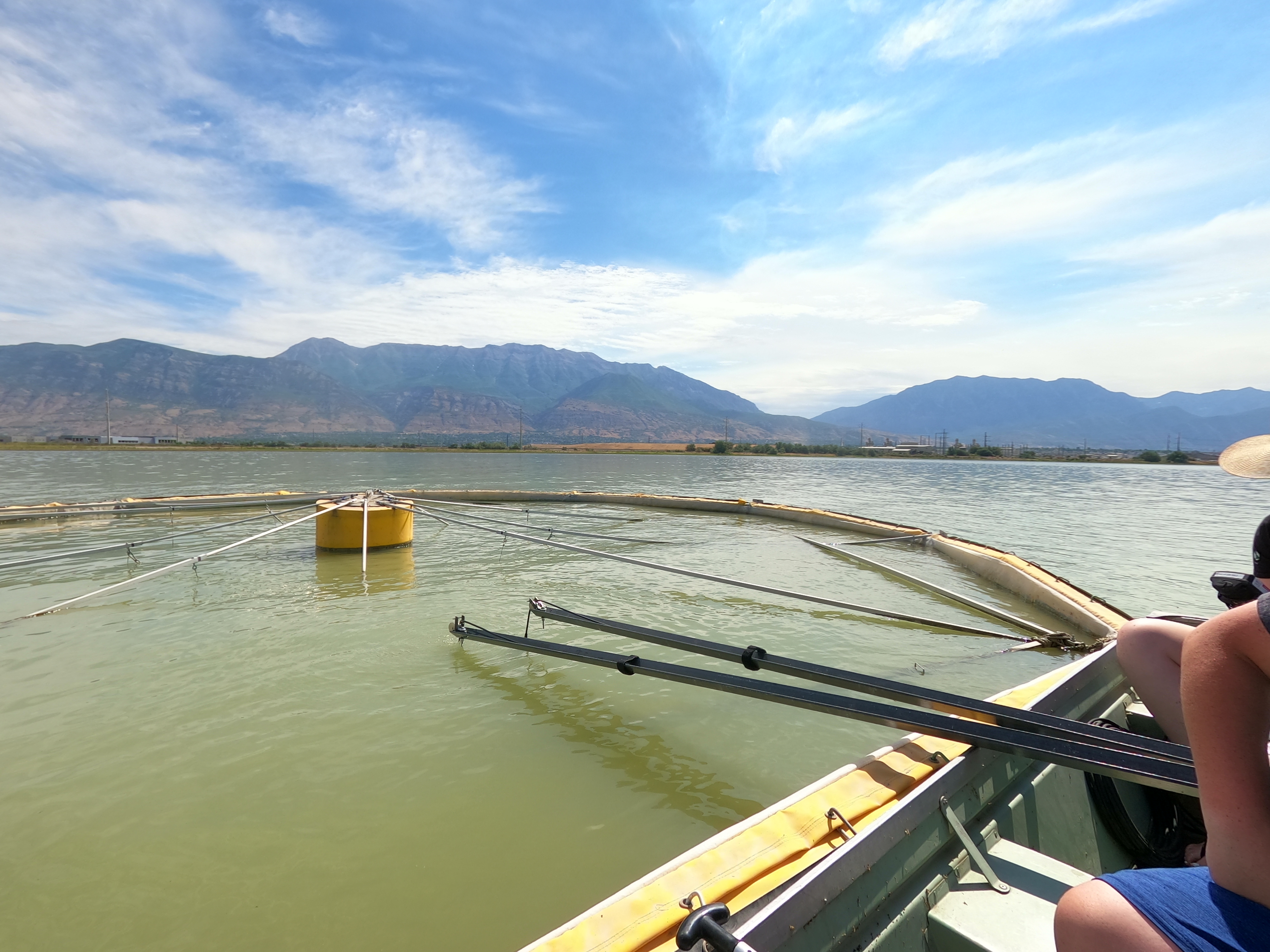
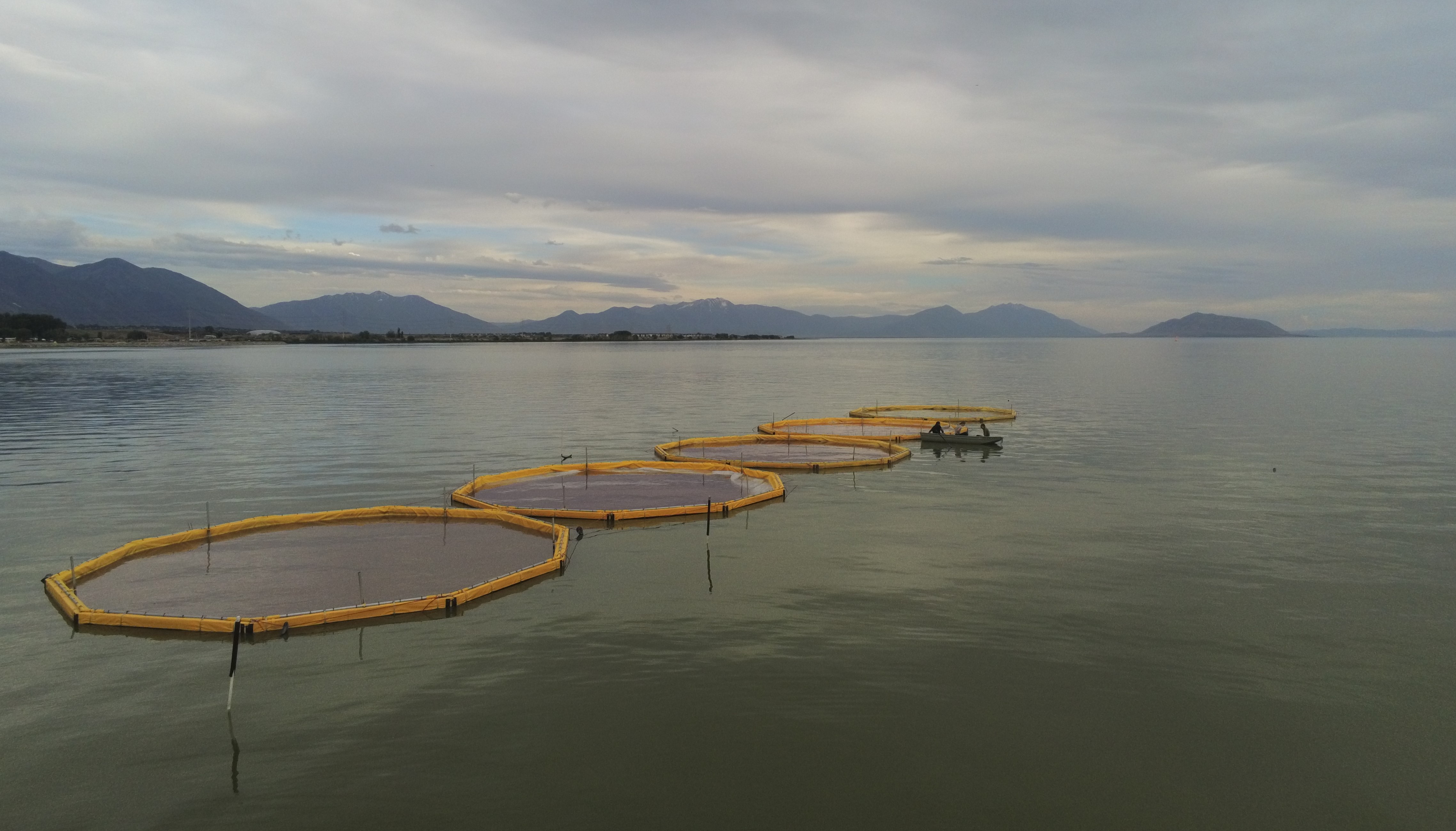
Project Summary
In recent years, there have been increasing concerns about Utah Lake (UL) throughout the community, mainly focused on harmful algal blooms (HABs). In an effort to decrease incidence of and more fully understand these HABs, TSSD has funded research through Brigham Young University, OreoHelix Ecological, and Jacobs Engineering.
The impacts to the Utah Lake system from excess nutrients (phosphorus and nitrogen) contributed by various categories of inflowing waters, particularly publicly owned treatment works, as well as the effects of these nutrients on the lakes trophic levels, biological productivity, food web, ecosystem functioning, and water quality, are currently of wide interest. There is considerable debate surrounding the physical processes governing nutrients in Utah Lake and the effects of anthropogenic nutrient loadings from treatment plants on water quality.
A) Research Question
The overral research question for this study addresses what processes dominate or govern nutrient concentrations in the UL water column. With our secondary question, we hope to better understand how nutrient concentrations and dynamics in the water column can be altered either through geo-engineeirng (e.g., chemical augmentation) or ecological system changes such as carp control or other types of biomanipulation.
B) Utah Lake Limnocorrals Project
This study will be conducted in three phases. The main goal of Phase I was to develop methods and obtain data required to successfully design and implement the Phase II and Phase III work. This past summer, the BYU team completed the data gathering portion of Phase I while working closely with and under the direction of the TSSD and Jacobs Engineering.
BYU conducted a series of experiments from April 2021 through October 2021 in order to 1) better understand nutrient cycling in Utah Lake and 2) evaluate the performance of treatments that have the potential to offer holistic and long-term solutions to reduce the intensity, duration, and frequency of future harmful algal blooms in Utah Lake. This work will supplement the ongoing Utah Lake Water Quality Studies (ULWQS) being implemented by the Utah Lake Commision (Commission) and the Utah Department of Environmental Quality, Division of Water Quality (DWQ).




BYU Environmental Engineering Laboratory

Dept. of Civil and Environmental Engineering